Steep Gradient Clearance: A Vital Step in Preserving an Iron Age Hillfort

A Vital Step in Preserving an Iron Age Hillfort

Landmarc’s Expert Conservation Efforts Uncover and Protect the Rich History of Devon’s Historic Sidbury Castle using Steep Gradient Clearance!

We have recently had the opportunity to work on another site of Archaeological importance, Sidbury Castle, an historic Iron Age hillfort in Devon. As part of the conservation and management plan for this ancient site, we were asked to undertake significant clearance works to preserve its archaeological integrity.


Where is Sidbury Castle and Why is it Important?

Sidbury Castle is situated on a large hilltop overlooking the town of Sidbury and the River Sid. The hillfort stands at approximately 185 meters (607 feet) above sea level. It dates back to the Iron Age and is considered an important archaeological site due to its well-preserved earthworks and strategic location.


The hillfort includes substantial earthworks, such as ramparts and ditches, which were used for defence. The layout of the fort provides insights into the defensive strategies and living conditions of the Iron Age communities that once inhabited the area.


Sidbury Castle is listed as a Scheduled Monument, which means it is legally protected due to its historical and archaeological importance. This status helps ensure that any work carried out at the site, including our recent clearance project, is done with the utmost care and respect for its heritage following the guidance imposed by Historic England for Scheduled Monuments. To learn more about Scheduled Monuments, please visit Historic Englands site here.

To see how we can help you with your clearance project, please visit our service webpage here. Continue reading to see how we worked alongside ISCA Archaeology to achieve the aims and strategies of this vast project.

Discover expert turf translocation with Landmarc. Sustainable solutions to preserve landscapes and biodiversity. Contact us today!

Do You Manage A Site of Special Interest?

Get In Touch Today

The Aim and Strategy of Steep Gradient Clearance at Sidbury Castle

Steep Gradient Clearance: A Vital Step in Preserving an Iron Age Hillfort

The aim of the clearance was to prevent damage to historic earthworks and underlying deposits and conserve for future generations. Scrub and Invasive Tree Clearance along with a series of other projects will gradually open up the hillfort and its immediate surrounds to enable greater visual appreciation of the historic features.

One of the key strategies included:
• Clearing invasive vegetation: Removing non-native plants and trees to prevent root damage to the archaeological layers.
• Restoring original landscape features: Re-establishing the site’s historical appearance by exposing the original earthworks and ditches.
• Protecting archaeological integrity: Ensuring that all clearance work was done with minimal disturbance to the site’s archaeological layers.

Prior to starting the works, we organised Archaeology Toolbox talks with our team, given by specialist consultants, ISCA Archaeology. These talks were essential to ensure that everyone involved understood the importance of the site, the specific methods to be used, and the precautions necessary to protect the archaeological integrity of Sidbury Castle.

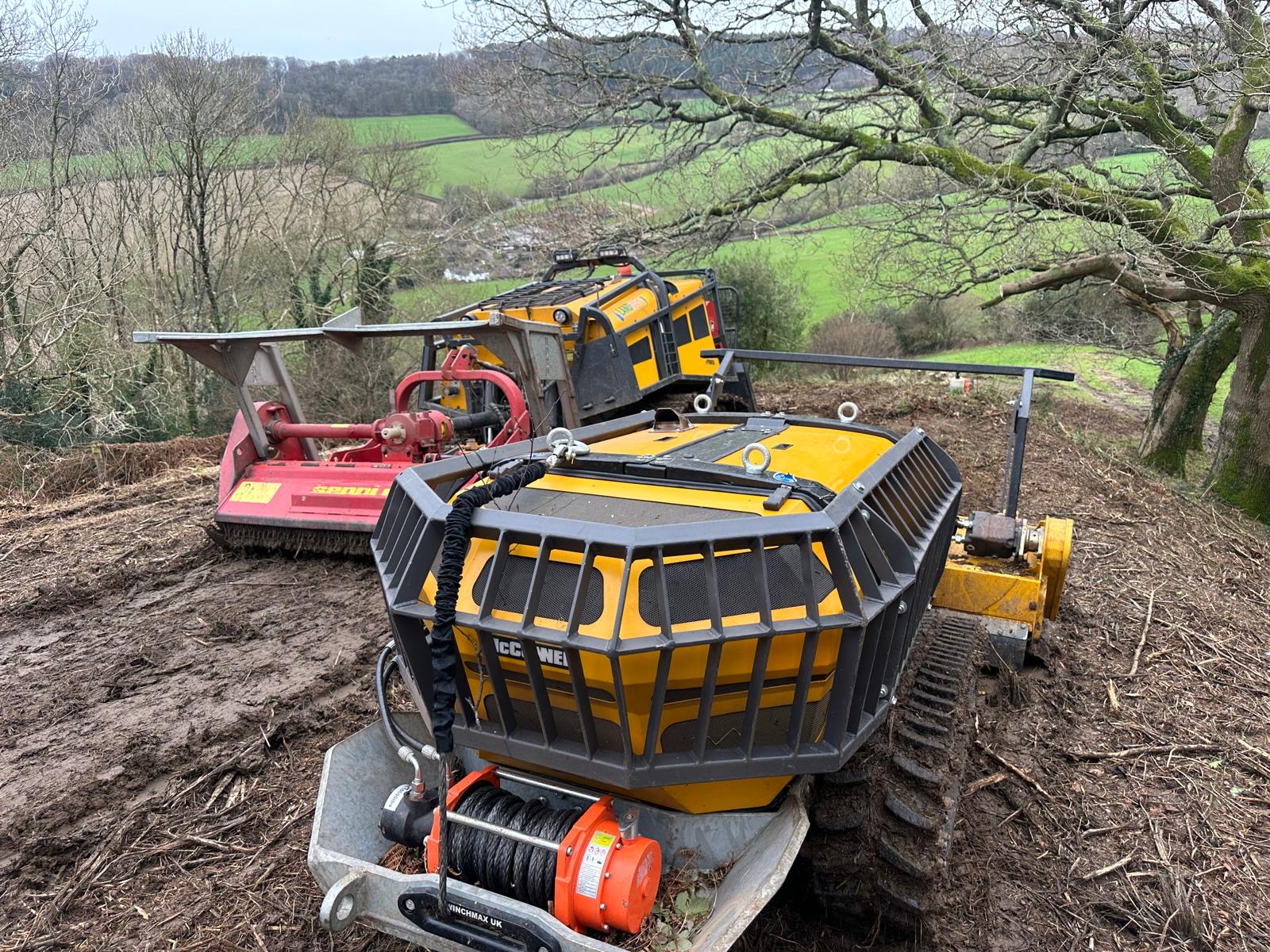
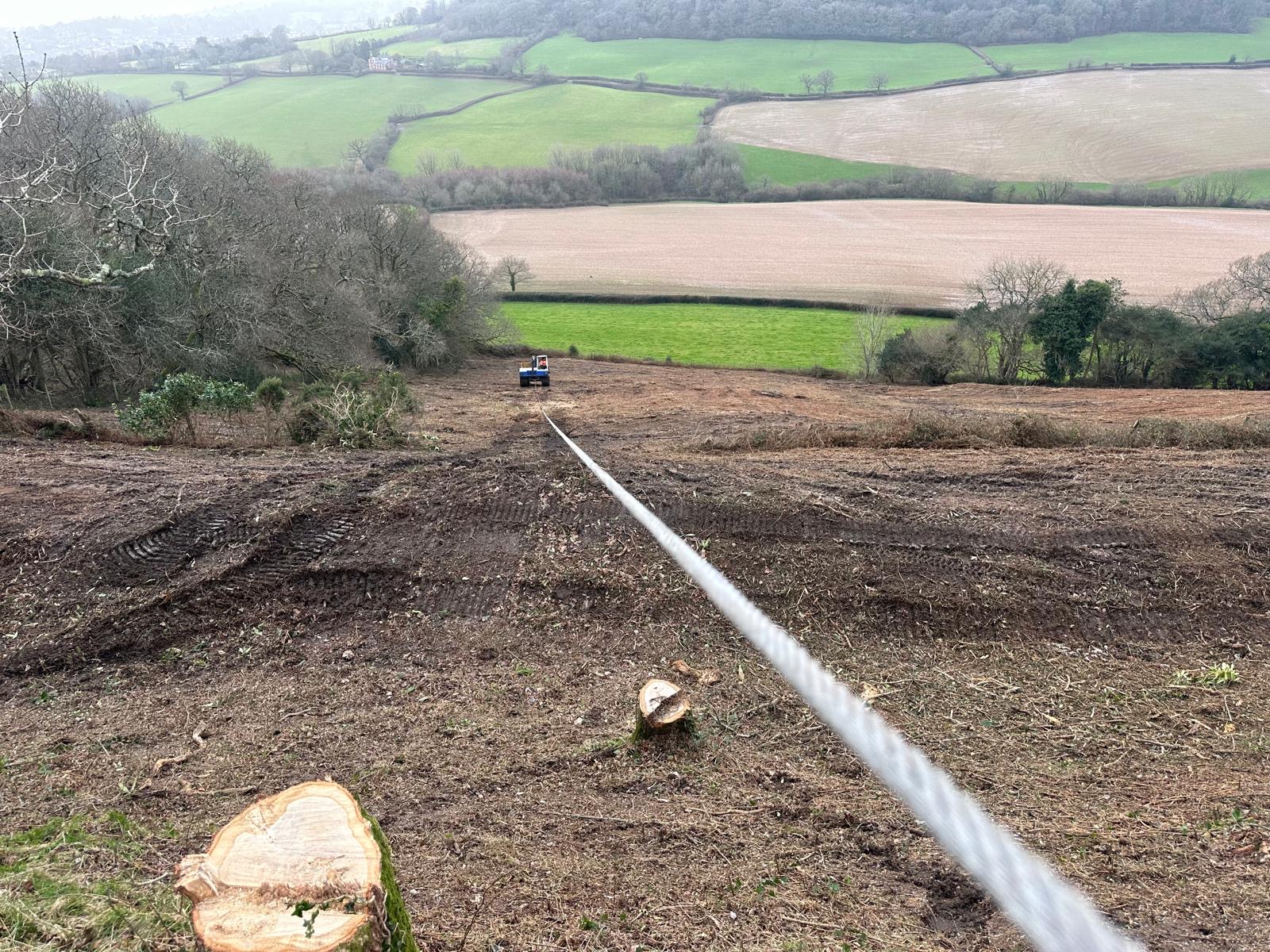
The timing of the clearance was crucial, as it needed to be done during the winter months when the vegetation was dormant. This allowed us to minimise the impact on the site’s ecology and ensure that the cleared areas could recover naturally in the spring. Despite a particularly wet winter, our team used specialised low-impact machinery to avoid creating a mud bath and causing further damage to the site.

At the end of the project, several hectares of the hillfort were cleared, revealing its impressive earthworks and allowing for better preservation and study of this important historical site. We are excited to see this project continue in the coming months and years, as Historic England, Savills and the landowner have exciting plans for this monument of such historic importance!

Some of Our Favourite Habitat Restoration Images